
In a world that’s becoming increasingly conscious of its environmental footprint, the question “Is stretch film recyclable?” often pops up in discussions around sustainable packaging. Whether you’re a business looking to reduce waste or an eco-conscious consumer, understanding the recyclability of stretch film is crucial. Spoiler alert: the answer isn’t as straightforward as you might think! Let’s unravel the complexities behind this common packaging material and discover what you can do to minimize your environmental impact.
What is Stretch Film?
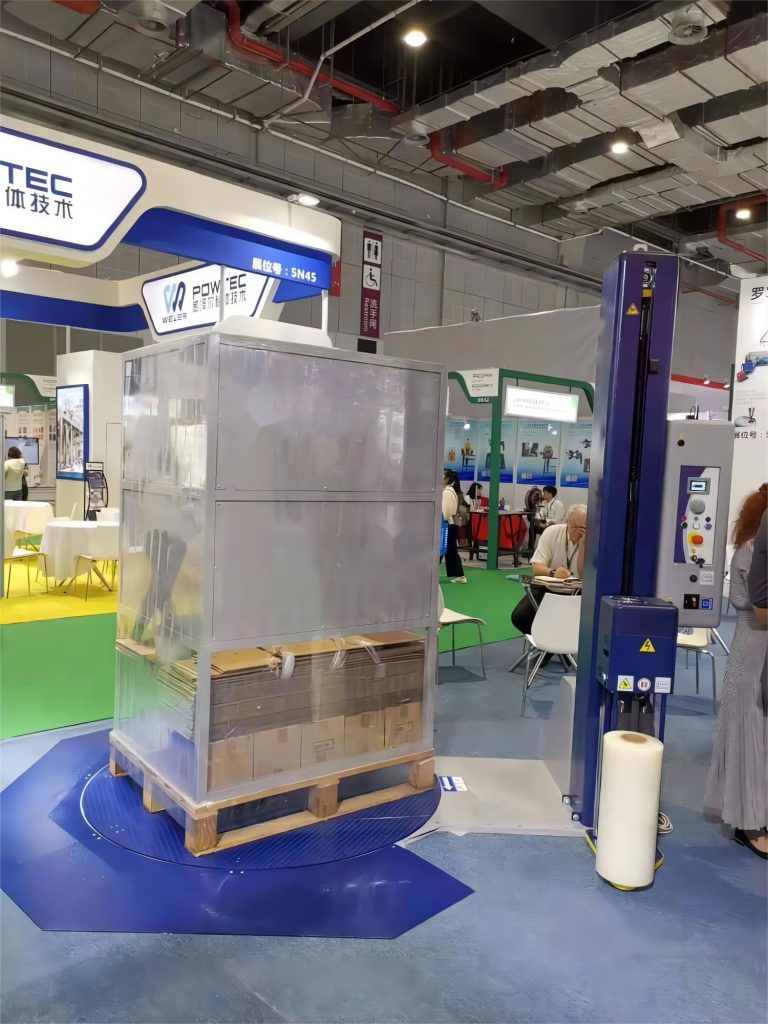
Before diving into the nitty-gritty of recyclability, let’s first define what stretch film is. Stretch film, also known as stretch wrap, is a highly stretchable plastic film made from linear low-density polyethylene (LLDPE). It’s primarily used to secure products on pallets during storage and transportation, providing a protective layer against moisture, dust, and damage.
The Role of Stretch Film in Packaging
Stretch film plays a critical role in the logistics and packaging industry. Here’s why:
- Protection: It keeps products safe from environmental factors like dust, moisture, and UV rays.
- Stability: Ensures that products remain secure on pallets, reducing the risk of shifting or toppling during transit.
- Cost-Effectiveness: It’s an affordable option for businesses, helping them reduce shipping costs while ensuring product safety.
Is Stretch Film Recyclable?
Now, to the million-dollar question: Is stretch film recyclable? The short answer is yes, but with a few caveats.
The Recycling Process
Stretch film is made from polyethylene, a technically recyclable plastic type. However, the recycling process isn’t as simple as tossing it into your curbside recycling bin.
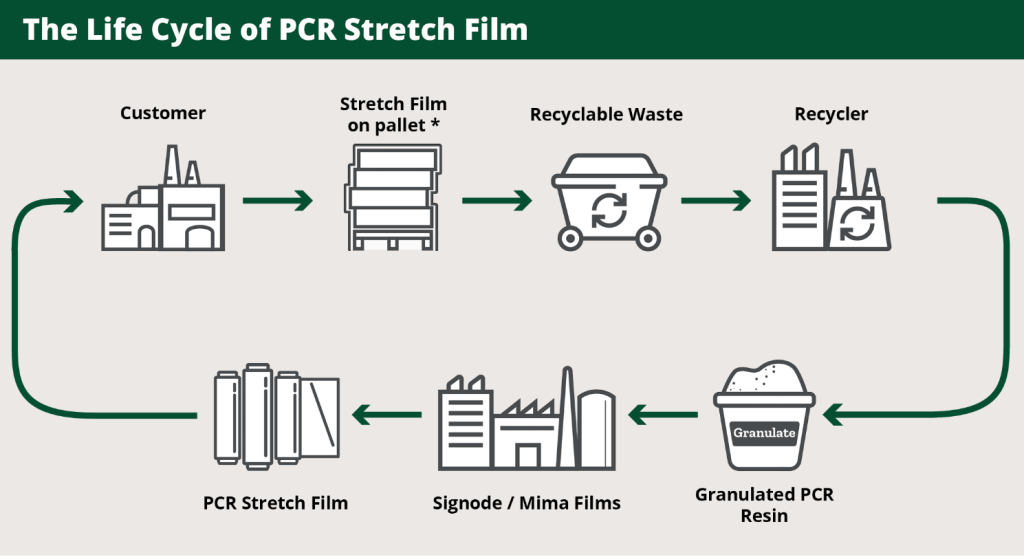
- Collection and Sorting: Stretch film needs to be collected separately from other plastics. This is because it can clog the machinery used in traditional recycling plants, leading to operational disruptions.
- Cleaning: The film must be clean and free from contaminants like dirt, food residue, or other materials that could interfere with the recycling process.
- Processing: Once cleaned, the film is melted down and repurposed into pellets. These pellets can then be used to create new plastic products, including new stretch film.
Challenges in Recycling Stretch Film
While the process sounds straightforward, several challenges make stretch film recycling less common:
- Contamination: Stretch film often contains residues that make it difficult to recycle without extensive cleaning.
- Limited Access: Not all recycling facilities accept stretch film due to the specific machinery required.
- Low Incentives: The economic value of recycled stretch film is relatively low, making it less attractive for recycling businesses.
How to Recycle Stretch Film Properly
Despite the challenges, there are ways to ensure your stretch film gets recycled properly.
Find a Recycling Facility
Not all recycling centers accept stretch film, so finding one that does is crucial. Look for facilities that specialize in plastic film recycling. You can use resources like Earth911 or contact your local waste management company for guidance.
Clean and Separate
Before recycling, ensure that the stretch film is clean and free of contaminants. This might require a bit of effort, but it’s a crucial step to ensure the material can be recycled.
Participate in Take-Back Programs
Some retailers and manufacturers offer take-back programs for stretch films. These programs allow you to return used film to be recycled. Participating in such initiatives can help ensure that your stretch film is properly processed and repurposed.

Sustainable Alternatives to Stretch Film
If the challenges of recycling stretch film concern you, you’re not alone. Many businesses and consumers are seeking sustainable alternatives to traditional stretch film.
Biodegradable Stretch Film
One alternative is biodegradable stretch film. Made from materials like polylactic acid (PLA) or polyhydroxyalkanoate (PHA), these films break down more easily in the environment. However, they still require specific conditions to degrade properly, so they’re not a perfect solution.
Reusable Pallet Wraps
Another option is reusable pallet wraps. These are made from durable materials that can be used multiple times, reducing the need for single-use plastic film.
Stretch Hooding Systems
Stretch hooding systems use a stretchable plastic hood to cover pallets, offering similar protection as traditional stretch film but with less material. While the plastic used in stretch hooding systems is still technically recyclable, it reduces the overall volume of plastic waste.

FAQs About Stretch Film Recyclability
Q1: Can I recycle stretch film in my curbside bin?
A1: Unfortunately, most curbside recycling programs do not accept stretch film due to its potential to clog sorting machinery. It’s best to find a specialized recycling facility.
Q2: Is there a difference between stretch film and shrink wrap in terms of recyclability?
A2: Yes, there is. Stretch film is more commonly recycled than shrink wrap, which is often made from polyvinyl chloride (PVC) and is more challenging to recycle.
Q3: What happens if stretch film ends up in a landfill?
A3: If stretch film ends up in a landfill, it can take hundreds of years to decompose, contributing to long-term environmental pollution. That’s why recycling or finding alternatives is so important.
Q4: Are there any eco-friendly certifications for stretch film?
A4: Yes, some stretch films come with eco-friendly certifications such as the “Recycled Content Certification” or “Certified Compostable” label, indicating that they meet specific environmental standards.
So, is stretch film recyclable? Yes, but it requires a bit more effort than other materials. While the process is more complex and less accessible, it’s not impossible. By taking steps to recycle stretch film properly or considering sustainable alternatives, you can significantly reduce your environmental footprint.
In a world where sustainability is no longer just a buzzword, every action counts. Whether you’re a business owner looking to make greener choices or an individual striving to minimize waste, understanding the recyclability of stretch film is a step in the right direction. Let’s work together to ensure that our packaging practices are as eco-friendly as possible!