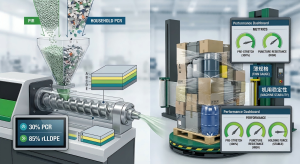
From Logistics to Agriculture: Why Stretch Film Has Become Essential Across Modern Supply Chains
Stretch film has become one of the most widely used packaging materials in global logistics and industrial operations.
Known for its high elasticity, durability, and strong cling properties, stretch film is typically made from high-quality polyethylene. It can stretch up to 300% of its original length while maintaining tight load containment. This allows it to form a secure seal around palletized goods without adding significant weight.
Today, stretch film is used in a wide range of industries to stabilize loads, protect products, and improve transportation efficiency. From food distribution centers to heavy manufacturing plants, companies rely on stretch film to ensure goods arrive safely and efficiently.
Below is an overview of how different industries use stretch film in their daily operations.
Why Stretch Film Is Essential in Modern Packaging
Before looking at specific industries, it is important to understand why stretch film is so widely adopted.
Stretch film provides several key benefits:
- Stabilizes palletized loads during transport
- Protects products from dust, moisture, and contamination
- Reduces product damage and shipping losses
- Improves warehouse handling efficiency
- Allows easy barcode and label scanning due to its transparency
Because of these advantages, stretch film has become a standard packaging solution in modern supply chains.
Logistics and Warehousing
Pallet Stabilization
In logistics and warehousing environments, palletized goods are constantly moved between storage areas, trucks, and distribution centers.
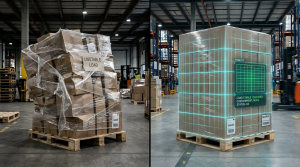
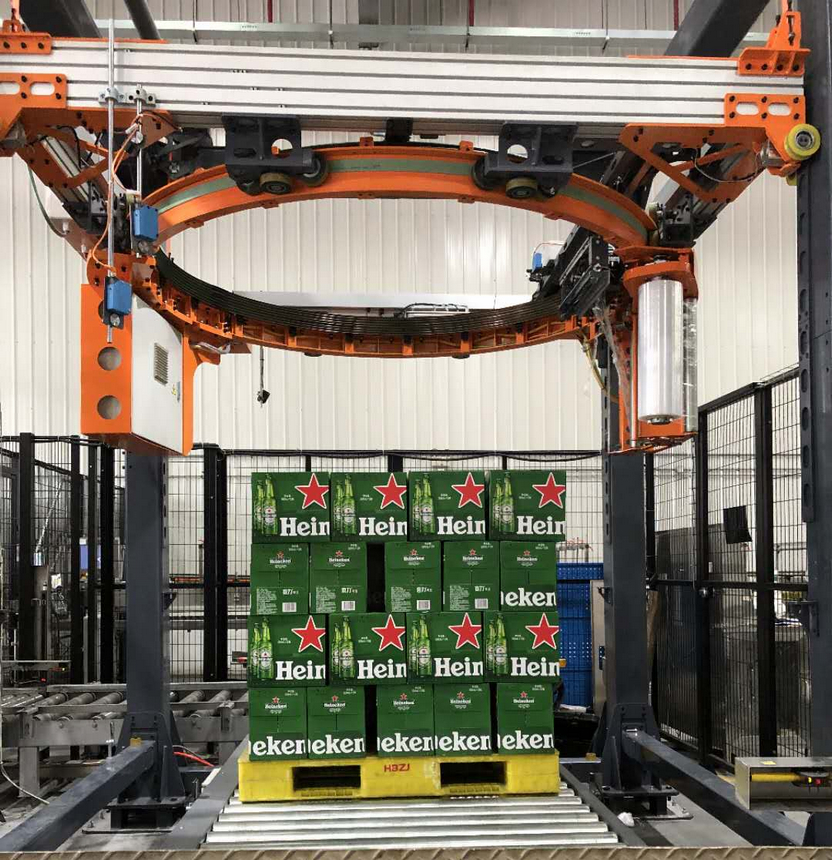
Stretch film is primarily used to stabilize pallet loads, ensuring stacked cartons or products remain secure during handling.
By tightly wrapping around the load, stretch film prevents goods from shifting, collapsing, or falling during forklift transport or long-distance shipping.
Transport Safety
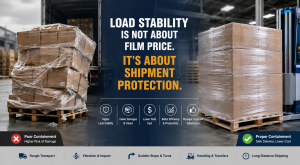
Transportation exposes products to vibration, movement, and handling impacts.
Proper pallet wrapping with stretch film significantly reduces the risk of:
- product shifting
- pallet collapse
- damaged cartons
For high-volume distribution centers, pallet wrapping is an essential step to maintain efficient operations and minimize losses.
Food and Beverage Industry
Hygiene Protection
Food safety and hygiene are critical in the food and beverage sector.
Stretch film helps protect packaged products from dust, contamination, and environmental exposure during storage and transportation.
Common palletized products wrapped with stretch film include:
- bottled water
- canned beverages
- packaged snacks
- dairy products
- frozen foods
The film creates a protective barrier while keeping packaging clean and secure.
Cold Chain Logistics
Stretch film is also widely used in cold chain transportation, where products must remain refrigerated during shipping.
Its flexibility and lightweight structure allow strong load containment without adding extra weight to shipments.
At the same time, transparent film enables easy barcode scanning and inventory tracking, which is essential for efficient cold chain logistics.
Manufacturing Industry
Electronics Protection
Electronics manufacturers frequently use stretch film to protect products and components during transportation between factories, warehouses, and distributors.
Stretch film helps:
- prevent dust contamination
- stabilize packaged electronics
- protect delicate components from movement
Because the film is transparent, labels and barcodes remain visible for efficient inventory management.
Automotive Parts
Automotive manufacturers often ship large quantities of spare parts and components on pallets.
Stretch film helps secure these parts together, reducing the risk of damage or misplacement during transportation.
It also simplifies handling in warehouses and distribution centers.
Consumer Goods Packaging
Manufacturers of consumer products rely heavily on stretch film to bundle cartons and stabilize pallet loads before shipment.
These products may include:
- household goods
- personal care products
- packaged retail items
By wrapping cartons together on pallets, stretch film ensures that goods can be transported safely to wholesalers, retailers, and distribution centers.
This method improves logistics efficiency and reduces product damage during shipping.
Agriculture Industry
Fertilizer and Feed Packaging
Agricultural products such as fertilizer, seeds, and animal feed are often packed in bags and stacked onto pallets.
Stretch film helps secure these pallet loads while protecting them from dust and moisture during storage and transportation.
This is particularly important for long-distance distribution to farms and agricultural suppliers.
Silage and Crop Protection
In agriculture, specialized stretch films are also used for silage wrapping and crop protection.
Silage stretch film helps farmers preserve harvested forage by sealing it tightly and protecting it from oxygen exposure.
For agricultural exporters, stretch film plays a key role in ensuring products arrive safely at international markets.
Retail and E-commerce
Mixed Pallet Shipping
Retail distribution centers frequently ship mixed pallets containing different products destined for individual stores.
Stretch film stabilizes these mixed loads, preventing cartons from shifting during transportation.
This is especially important for supermarket chains and large retail networks that receive diverse product shipments.
E-commerce Distribution Centers
With the rapid growth of e-commerce, warehouses now process thousands of orders daily.
Stretch film is widely used to:
- wrap pallets of outgoing shipments
- consolidate cartons before loading
- secure goods for long-distance delivery
Efficient pallet wrapping helps improve warehouse productivity and reduces handling time.
Heavy Industry
Construction Materials
Construction companies often transport heavy materials such as:
- cement bags
- ceramic tiles
- insulation materials
- pipes and fittings
Stretch film helps stabilize these heavy pallet loads and protect them from dust, moisture, and environmental exposure during outdoor storage or transport.
Machinery Components
Manufacturers of industrial machinery frequently use stretch film to wrap equipment parts and metal components before shipping.
In these cases, stretch film provides an additional protective layer while keeping products tightly bundled for safe handling.
Why Stretch Film Demand Continues to Grow
As global supply chains become more complex, companies need reliable packaging solutions that can protect products while maintaining efficiency.
Stretch film continues to grow in popularity because it offers:
- strong load containment
- flexible application across industries
- improved logistics efficiency
- reduced packaging waste
Whether in logistics, food distribution, manufacturing, agriculture, or retail, stretch film plays a vital role in protecting palletized goods throughout the supply chain.
Choosing the Right Stretch Film Solution
While stretch film is widely used, selecting the right type of film depends on several factors, including:
- load weight and pallet size
- transportation distance
- storage conditions
- manual or machine wrapping systems
Working with an experienced supplier can help businesses optimize packaging efficiency and reduce overall packaging costs.
At Sinyar Pack, we specialize in manufacturing high-quality stretch film and providing customized packaging solutions for different industries.
Our team can analyze your packaging requirements and recommend the most suitable stretch film to improve load stability, protect products, and enhance logistics efficiency.
If you are looking for reliable stretch film solutions, feel free to contact Sinyar Pack for professional support.
This article is provided by Jessica, an employee of Sinyar Pack.