Understanding the True Cost of Stretch Film Packaging and How to Reduce Cost Per Pallet
Pallet wrapping is more than simply securing boxes with plastic film.
In modern logistics and warehouse operations, pallet wrapping plays a critical role in:
- Load stability during transport
- Product protection throughout the supply chain
- Warehouse efficiency
- Overall packaging cost control
With rising raw material prices and increasing pressure to improve sustainability, more companies are asking an important question:
What is the real cost of wrapping a pallet?
The answer goes far beyond the price of a roll of stretch film.
To make smart packaging decisions, businesses must evaluate total cost per pallet, not just film price.
Why Cost Per Pallet Is the Metric That Matters
Many buyers focus primarily on the price per roll of stretch film. However, this approach often leads to misleading conclusions.
The pallet wrapping method you choose directly affects several operational factors:
- Film consumption per pallet
- Labour time required for wrapping
- Load stability during transportation
- Risk of product damage or claims
A lower-priced film may appear economical at first, but if it requires more material, more labour, or leads to higher damage rates, the overall cost per pallet can actually increase.
Optimizing pallet wrapping means balancing performance, efficiency, and material usage.
Common Pallet Wrapping Solutions
1. Hand Stretch Film
Overview
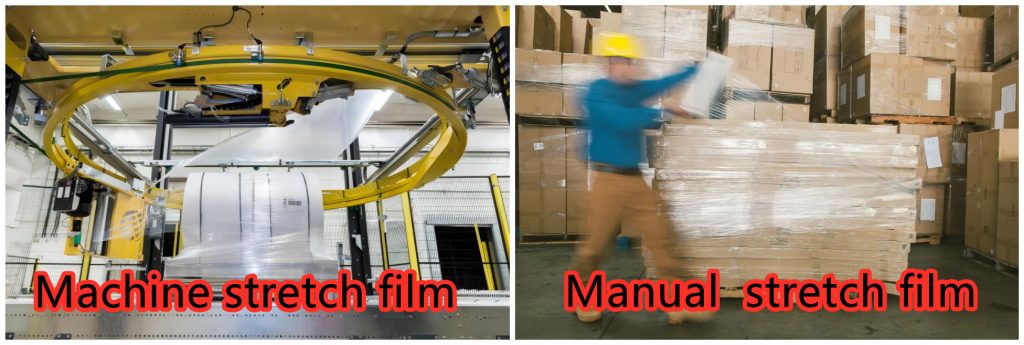
Hand stretch film is manually applied and is commonly used in small warehouses, distribution centers, and businesses with lower pallet volumes.
Typical Thickness Range
Hand stretch films generally range between 12–40 microns, depending on load weight and application requirements.
Advantages
- Lower initial purchase cost
- No need for machine investment
- Easy to use for small-scale operations
However, manual wrapping often results in higher film consumption per pallet, because stretch levels and tension cannot be controlled as precisely as machine wrapping.
This can increase overall packaging cost over time.
2. High-Performance Machine Stretch Film
Overview
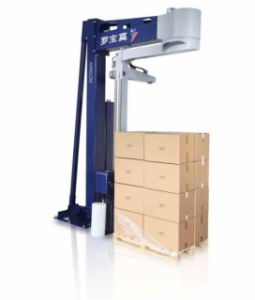
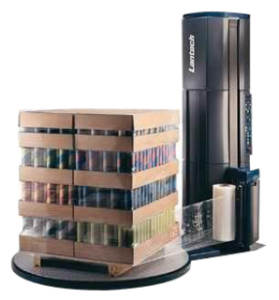
High-performance stretch film is designed for automatic or semi-automatic pallet wrapping machines.
These films provide consistent tension control and optimized stretch ratios, ensuring stable load containment with less material.
Typical Thickness Range
Machine films are often around 25 microns, or engineered with advanced high-yield structures that allow thinner films to perform efficiently.
Cost Advantages
Although the roll price may appear higher, machine stretch film often reduces:
- Film consumption per pallet
- Labour time for wrapping
- Load instability during transportation
- Product damage rates
For many medium-to-large operations, machine wrapping delivers the lowest total cost per pallet.
How to Calculate the True Cost of Wrapping a Pallet
To evaluate pallet wrapping efficiency, companies should use a simple cost calculation framework.
Step 1: Measure Film Consumption
Track the average meters of film used per pallet during wrapping.
Step 2: Calculate Material Cost
Multiply film usage per pallet by the unit price of the film.
Step 3: Add Labour Cost
Estimate the time required to wrap one pallet and multiply it by the labour cost per hour.
Step 4: Include Equipment Cost (If Applicable)
For machine wrapping, divide the machine investment cost by the expected number of pallets wrapped over its lifetime.
Step 5: Consider Damage Reduction
Improved load stability can reduce transport damage, returns, and product loss — which also affects the real cost per pallet.
When these factors are evaluated together, the most cost-effective packaging solution often becomes clear.
Practical Strategies to Reduce Pallet Wrapping Costs
Businesses looking to optimize packaging efficiency can implement several proven strategies.
✔ Use High-Quality Stretch Films
High-performance films often allow thinner gauges while maintaining strong containment, reducing material consumption.
✔ Automate When Volume Increases
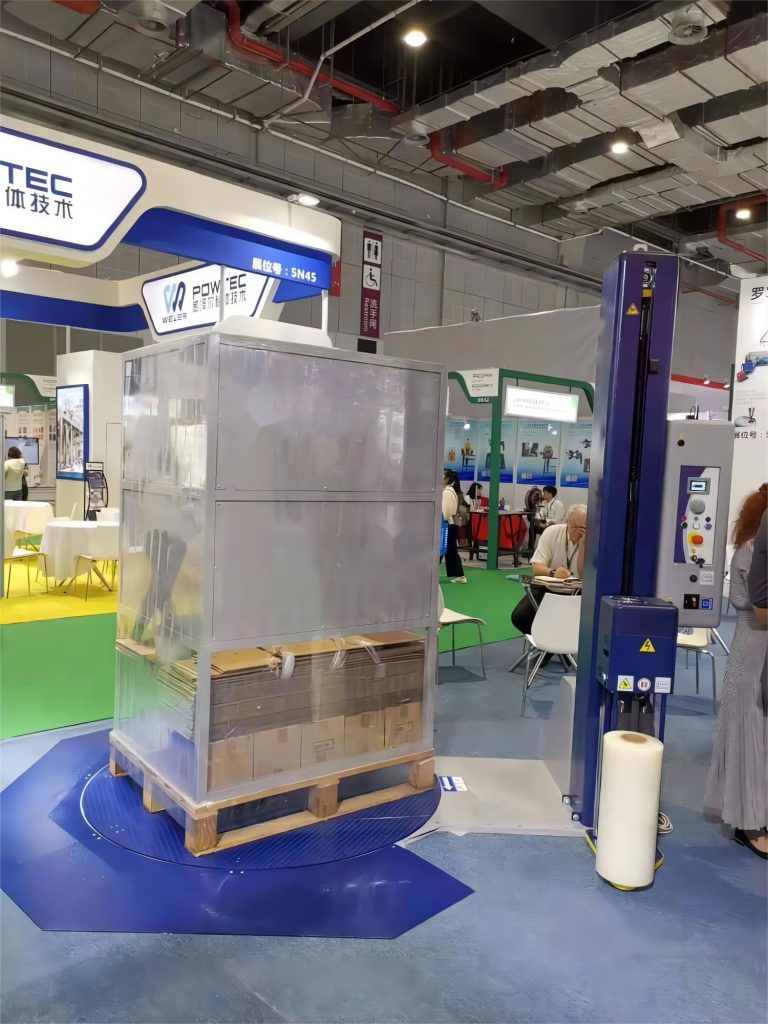
For operations with higher pallet volumes, machine wrapping improves consistency and reduces labour time.
✔ Monitor Packaging Performance
Tracking data such as film usage per pallet, break rate, and load stability helps identify opportunities for cost savings.
Data-driven optimization leads to measurable efficiency improvements.
Work With a Stretch Film Expert
Selecting the right stretch film involves more than choosing thickness or price.
Important factors include:
- Pallet size and load weight
- Load shape and corner sharpness
- Transportation distance
- Manual or machine wrapping setup
- Storage conditions and stacking pressure
At Sinyar Pack, we specialize in manufacturing high-quality stretch film and providing professional packaging solutions tailored to real operational needs.
Our team works closely with customers to evaluate their packaging process and recommend the most suitable film grade and application method.
The goal is simple:
- Reduce cost per pallet
- Improve load stability
- Increase warehouse efficiency
- Optimize overall packaging performance
Final Thoughts
The real cost of pallet wrapping is not determined by film price alone.
It is determined by how efficiently your packaging system protects products while minimizing material use and labour.
Companies that evaluate total cost per pallet instead of price per roll are better positioned to control packaging expenses and improve supply chain efficiency.
If you are looking to optimize your stretch film usage or evaluate your current pallet wrapping costs, the Sinyar Pack team is ready to help.
This article is provided by Jessica, an employee of Sinyar Pack.