Reduce Film Breaks, Improve Load Stability, and Control Cost Per Pallet
Choosing the correct stretch film thickness is one of the fastest and most effective ways to:
- Reduce film breaks
- Improve pallet stability
- Lower packaging cost per pallet
- Minimize damage claims during transport
However, many buyers focus only on gauge or micron numbers — without understanding what those values truly mean in real-world application.
This guide explains how stretch film thickness is measured and how to select the right wrap based on load conditions, not guesswork.

How Stretch Film Thickness Is Measured
Stretch film thickness is typically expressed in:
- Gauge (commonly used in the U.S.)
- Micron (µm) (commonly used internationally)
Basic Conversion Reference
- 80 gauge ≈ 0.8 mil
- 1 micron (µm) ≈ 0.039 mil
Because different regions use different measurement systems, understanding conversion helps avoid specification confusion during procurement.
Gauge to Micron Conversion Chart
Below are common industry approximations. (Actual thickness may vary slightly depending on manufacturing tolerance and product design.)
- 60 gauge ≈ 15 microns
- 80 gauge ≈ 20 microns
- 120 gauge ≈ 30 microns
Always confirm with your supplier regarding exact thickness tolerance.
Why Thickness Alone Does Not Guarantee Performance
While thickness is important, it is not the only factor that determines how well a stretch film performs.
Two films with the same gauge can behave very differently depending on formulation and production quality.
Real-world performance depends on:
- Stretchability – How far the film can elongate without breaking
- Puncture Resistance – Resistance to sharp edges and corner impact
- Elastic Recovery (“Memory”) – Ability to tighten back after stretching to maintain containment force
A thinner high-performance film may outperform a thicker low-quality film.
The goal is not just “thicker film,” but optimized containment performance.

Key Factors When Choosing Stretch Film Thickness
1️⃣ Load Weight
Load weight is a practical starting point — especially for uniform pallet loads.
Light Loads (Under 800 lbs)
- Recommended: 60–70 gauge (15–17 microns)
- Suitable for lightweight cartons, paper goods, or small packaged items
Medium Loads (800–1200 lbs)
- Recommended: 80 gauge (20 microns)
- Considered the industry standard for general pallet wrapping
Heavy Loads (Over 1200 lbs)
- Recommended: 100–120+ gauge (25–30+ microns)
- Suitable for heavier products requiring stronger containment force
Important: Weight is only the starting point. Load shape and corner sharpness can change the decision.
2️⃣ Load Type and Shape
Load geometry can be as important as weight.
Irregular pallet shapes and sharp edges increase puncture risk and may cause:
- Film tearing during wrapping
- Reduced containment during transport
- Rewrapping costs
If film frequently breaks at corners, you may need:
- A higher gauge film
- Or a film specifically designed for enhanced puncture resistance
Proper film selection reduces waste and improves wrapping efficiency.
3️⃣ Transportation and Storage Conditions
Shipping stress varies depending on logistics conditions.
You may require a heavier or stronger film if you face:
- Long-distance transport with vibration
- Multiple loading/unloading cycles
- High stacking pressure in warehouses
- Export shipments with extended transit time
The longer and more complex the supply chain, the more critical containment force becomes.
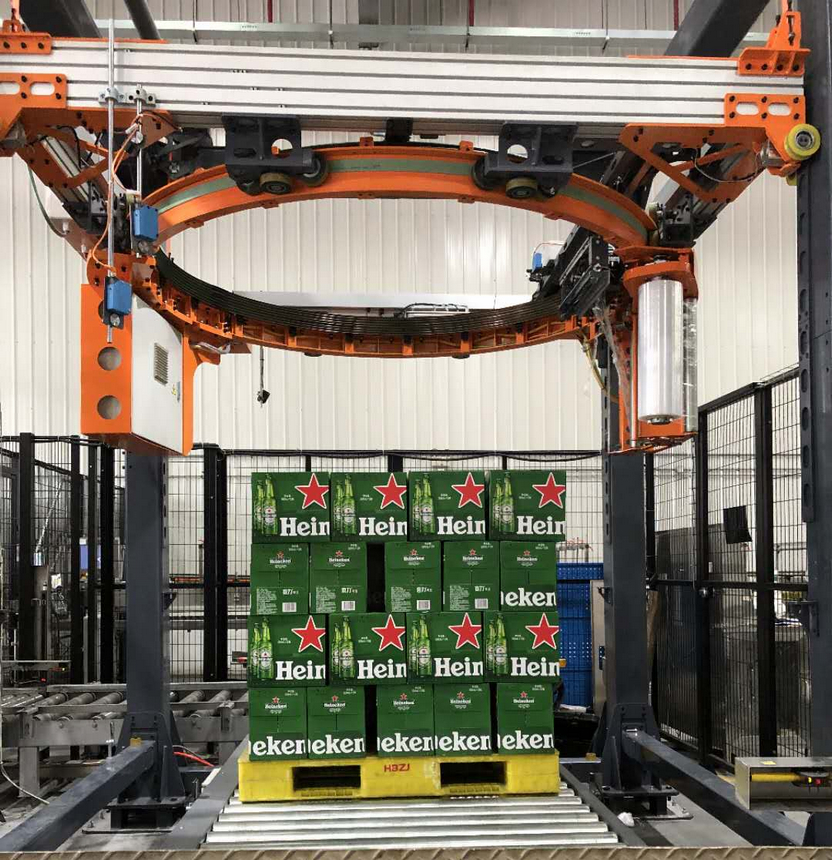
How the Right Thickness Reduces Cost Per Pallet
Selecting incorrect thickness can lead to:
- Excessive film consumption
- Frequent breaks
- Rewrapping labor
- Higher product damage risk
Choosing the right stretch film thickness helps you:
- Optimize film usage
- Maintain stable containment force
- Improve wrapping speed
- Reduce total packaging cost
Cost efficiency comes from performance balance — not simply choosing the thickest option.
Work With an Experienced Stretch Film Supplier
The objective is not just selecting the “right gauge.”
It is selecting the most cost-effective film that performs reliably in your specific application.
To receive an accurate recommendation, share:
- Pallet dimensions
- Load weight
- Load shape and corner profile
- Hand wrapping or machine wrapping setup
- Transportation conditions
Based on your real working scenario, Sinyar Pack can recommend a technically suitable and economically efficient stretch wrap solution.
Final Thought
Stretch film thickness is not just a number on a datasheet.
It is a decision that directly affects load stability, operational efficiency, and packaging cost control.
If you are reviewing your current stretch film specification and want to reduce film breaks while improving containment performance, our technical team is ready to assist.
This article is provided by Jessica, an employee of Sinyar Pack.