Proactive planning today ensures smooth operations, maximized nutritional value, and minimal waste tomorrow.
Introduction: The Value of Early Preparation
Silage season may feel distant, but experienced agricultural professionals know that successful harvesting isn’t achieved in the field; it is achieved weeks or months before the first mower is even deployed.
Proactive planning doesn’t just make your harvest operations smoother and more efficient; it is the cornerstone of ensuring that your forage translates into high-quality, high-protein feed that maximizes herd health and productivity. When the pressure is on, equipment uptime and logistical flow are critical.
To set your operation up for success, focus on these four essential steps before the season begins.
1. Service Your Machinery: Prevent Costly Downtime
Before the harvesting window opens, your equipment must be in peak condition. The narrow timeframe for ideal forage maturity does not allow for breakdowns.
- Thorough Inspection: Give your mowers, mergers, balers, and wrapping equipment a complete check-up. Inspect hydraulic systems, check belt tension, and lubricate all necessary components.
- Proactive Maintenance: Replace worn parts now rather than risking a failure in the field. Well-serviced machinery runs smoothly, boosts overall throughput efficiency, and, most importantly, reduces critical downtime when you need reliability most.
2. Prioritize Clean Cuts: Keep Blades Sharp
The quality of your silage starts at the very first cut. To ensure the best possible start for your forage, keep your mower blades sharp.
Regularly sharpen or replace blades to guarantee clean, precise cutting rather than tearing or shredding the forage. A neat cut provides several benefits:
- Easier Baling: Cleanly cut material is easier to process and balers can achieve higher density.
- Enhanced Feed Quality: A clean cut reduces plant stress and supports a fast, even fermentation process, which is essential for retaining nutrients and energy density in the final feed.
3. Choose the Right Bale Wrap: Protect Your Investment
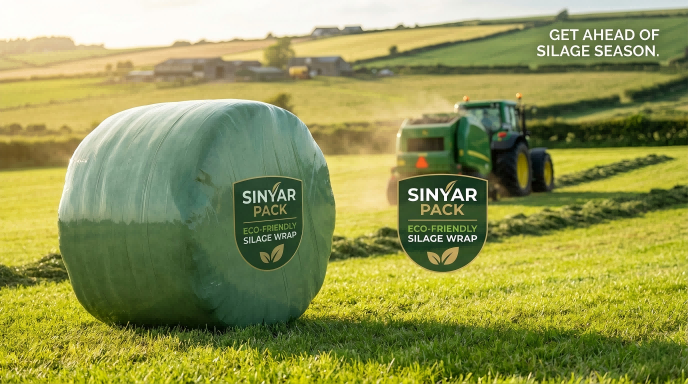
Perhaps the most critical, yet overlooked, factor in high-quality silage preservation is the choice of packaging. Silage wrap is far more than a simple covering; it is the essential barrier separating your highly valuable forage from the degrading effects of oxygen.
Choosing the right high-quality wrap suitable for your specific climate conditions is vital:
- Prevent Air Infiltration: A high-quality, multi-layer wrap provides superior oxygen barrier properties. If oxygen gets in, you risk aerobic spoilage and mold.
- Ensure Consistent Fermentation: Strong, reliable wrap maintains the anaerobic (oxygen-free) environment required for perfect lactic acid fermentation.
- Safe Storage: Your wrap must withstand UV exposure, high temperatures, and puncture risks, ensuring your feed remains preserved for months.
Investing in premium wrap significantly reduces storage dry matter loss, securing a better return on your investment in every bale.
4. Optimize Logistical Workflow: Organize Storage Spaces
Do not wait until the first bales are dropping to decide where they will go. Planning your storage areas in advance is a crucial logistical step that pays dividends during the busy season.
- Efficient Space Management: Designate areas that keep bales safe, stable, and easily accessible. A logical storage layout improves workflow during both stack-up and feed-out.
- Minimize Risk: Well-organized storage reduces the risk of physical damage during handling. Ensure the base is level and free of objects that could puncture wrap, which would lead to spoilage. Proper organization also helps monitor inventory and access the oldest bales first (FIFO).
Conclusion: Secure Your Harvest’s Potential
By preparing early and focusing on machinery, cutting precision, wrap quality, and logistical flow, you are not just preparing for the silage season—you are maximizing the value of your entire agricultural operation. Early action empowers you to start the season strong and ensures every bale reaches its full nutritional potential.
This article was provided by Sveda, an employee of Sinyar Pack.