Move beyond traditional wrapping habits to reduce plastic waste, cut operational costs, and ensure zero-failure logistics.
The Budget Killer You Might Be Ignoring
If your facility is still wrapping pallets the “standard” way, there is a high probability that you are overspending—and overusing plastic—without even realizing it.
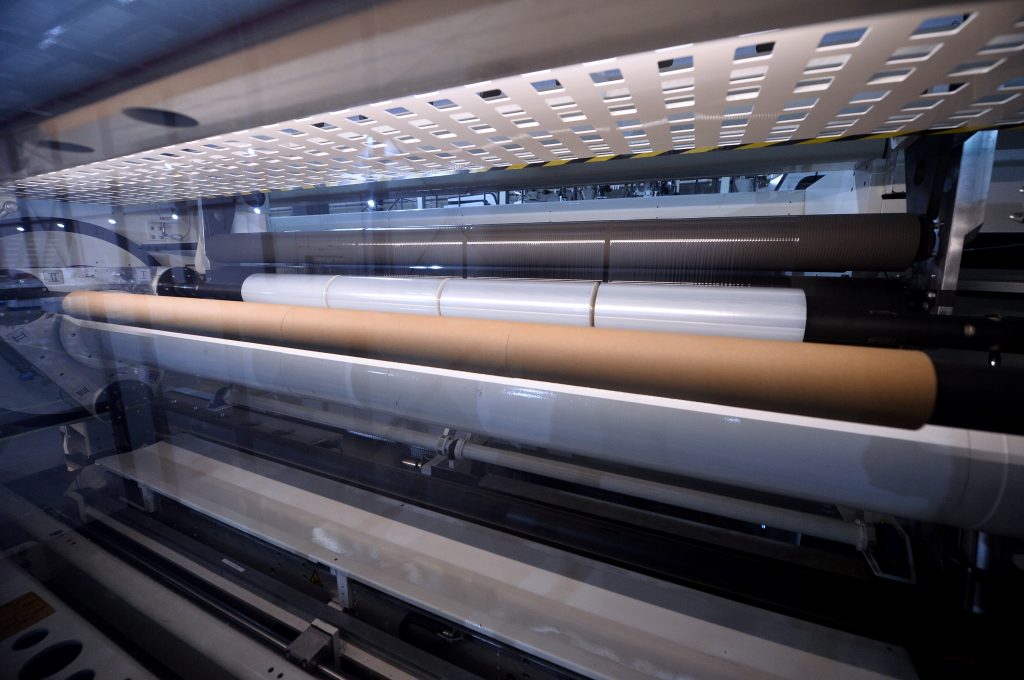
In many warehousing and manufacturing operations, stretch film is viewed as a commodity where the lowest “price per roll” wins. However, over the past few years, high-performance nano film has quietly changed the game. While conventional films rely on thickness for strength, nano-technology relies on structural engineering. Continuing to use old-school film out of habit isn’t just outdated; it’s a silent drain on your margins.
The Science of Nano-Layer Technology
The primary difference lies in the architecture of the film. High-performance nano films are composed of multiple ultra-thin layers (often 33, 55, or even more) fused together. This creates a material that is significantly thinner than conventional film but possesses vastly superior mechanical properties.
1. Stronger Containment with Significantly Less Material
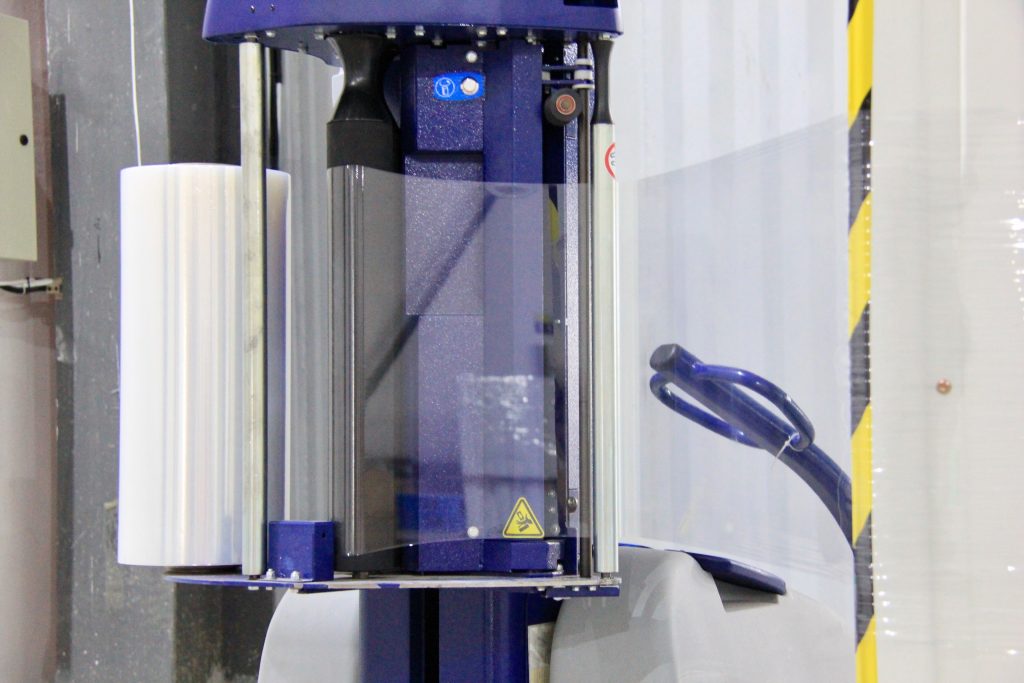
In traditional wrapping, adding strength usually means adding more layers or using a thicker gauge. Nano-layer technology distributes tension more evenly across the entire surface of the film. This results in:
- Superior Puncture Resistance: Hard corners and jagged edges are less likely to break the seal.
- Enhanced Load Stability: Higher “restoring force” keeps the load tighter for longer, even during the vibrations of long-haul transport.
- Reduced Microns: You achieve better results with a 10-12 micron nano film than a 20+ micron conventional film.
2. The Math of “Cost Per Load” vs. “Price Per Roll”
The biggest hurdle in upgrading to nano film is often the initial roll price, which can appear higher. However, the true metric of efficiency is the Cost Per Pallet.
- Higher Yield: Because nano film is thinner and can be stretched further (often up to 300% or 400% on automated machines), one roll of nano film can wrap significantly more pallets than a roll of standard film.
- Reduced Damage Claims: The most expensive pallet wrap is the one that fails in transit. By reducing wrap failures and product shifting, you eliminate the massive costs associated with returns and damaged goods.
3. Measurable Sustainability Wins
Sustainability is no longer a “marketing extra”—it is a corporate mandate. For companies under pressure to reduce their environmental footprint, nano film offers a practical, data-driven win.
- Plastic Reduction: Transitioning to nano film typically reduces total plastic usage by 30% to 50%.
- Less Waste: Using less material means there is less plastic for your customers to dispose of at the end of the supply chain, improving your “green” metrics across the board.
4. Reliability on High-Speed Automated Lines
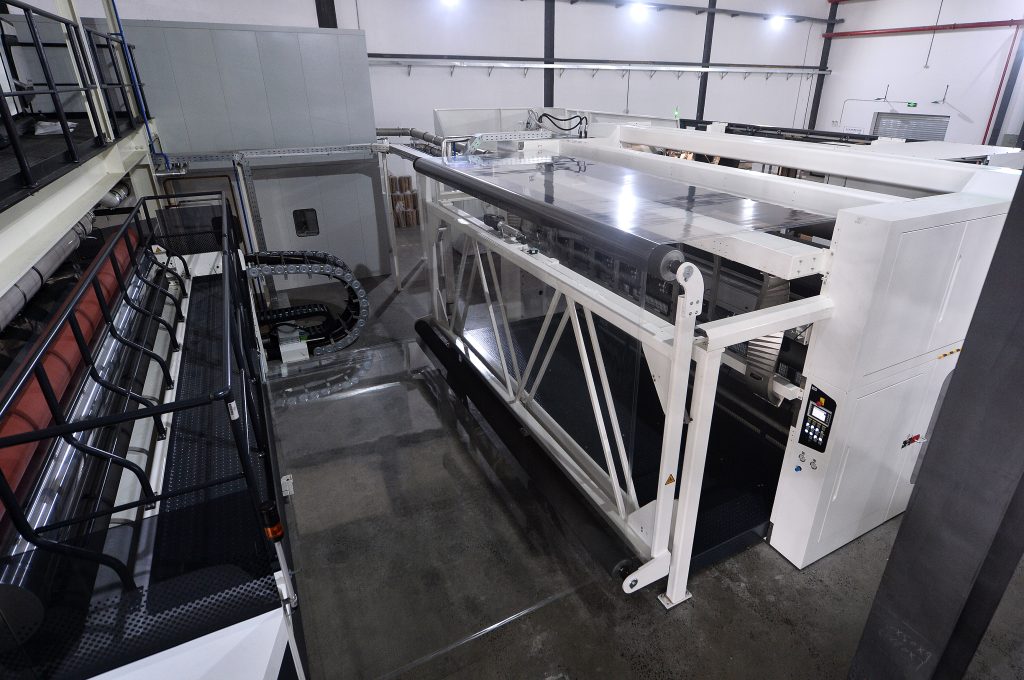
On high-speed automated wrapping lines, consistency is king. Conventional films often have “weak spots” that lead to frequent breaks, causing machine downtime and labor inefficiencies. Nano films are engineered for extreme consistency. They are designed to hold tighter and perform reliably under the high-tension demands of modern logistics hubs.
Conclusion: Time for a Process Audit
In a market where supply chains are under intense scrutiny and margins are increasingly tight, incremental improvements in packaging can lead to massive annual savings. Sometimes, true innovation isn’t about investing in new machinery—it’s about upgrading the high-performance materials you are already using.
If you are in logistics, warehousing, or manufacturing, it’s time to ask: Are we paying for plastic, or are we paying for protection?
This article was provided by Sveda, an employee of Sinyar Pack.