When companies evaluate machine stretch film, the discussion often starts with a simple question:
“What’s the price per roll?”
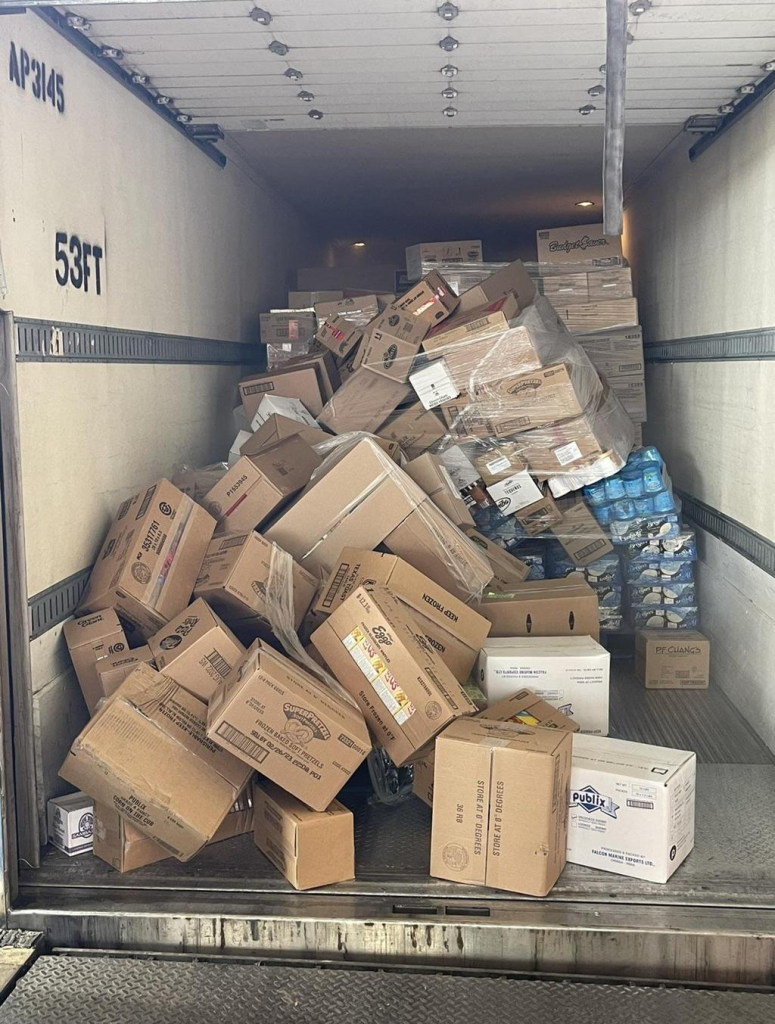
At first glance, stretch film appears to be one of the least expensive components in the entire logistics process. However, focusing only on film cost can overlook a much larger expense: load instability and transportation damage.
A damaged pallet can lead to product loss, customer complaints, rework, replacement shipments, and even supply chain disruptions. In many cases, the cost of one damaged load far exceeds the savings achieved by purchasing lower-cost stretch film.
For manufacturers, distributors, warehouses, and logistics providers, the real question should not be:
“How much does the film cost?”
Instead, ask:
“How much does it cost to secure a load safely from the warehouse to the final destination?”
Stretch Film Is Part of a Load Containment System
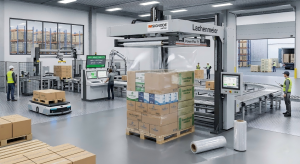
Many buyers view stretch film as a standalone packaging material. In reality, load security depends on an entire containment system that includes:
- Stretch film performance
- Wrapping equipment settings
- Pallet load configuration
- Application consistency
- Transportation conditions
Even the highest-quality machine stretch film cannot compensate for poor wrapping practices or incorrect machine settings. Likewise, a perfectly adjusted wrapping machine cannot fully overcome the limitations of low-performance film.
Successful load containment requires all elements to work together.
The Hidden Cost of Transportation Damage
Transportation environments are far more demanding than many people realize.
During transit, pallets are exposed to:
- Truck vibrations
- Sudden braking
- Sharp turns
- Forklift handling
- Loading and unloading impacts
- Long-distance shipping stresses
Each movement applies force to the load. If the containment force is insufficient, products can shift, lean, or collapse.
The result may include:
- Damaged goods
- Broken packaging
- Rejected deliveries
- Additional labor costs
- Customer dissatisfaction
- Increased claims and returns
When these costs are considered, stretch film becomes a critical risk-management tool rather than a simple consumable.
Four Key Factors That Influence Pallet Stability
1. Load Containment Force
Load containment force is the pressure applied by stretch film to keep products tightly secured on a pallet.
A film with strong load-holding capability helps resist movement during transportation and storage.
Several factors influence containment force:
- Film formulation
- Film gauge
- Pre-stretch ratio
- Machine settings
- Wrapping pattern
The objective is not simply to use more film, but to generate sufficient containment force efficiently.
2. Puncture Resistance
Loads often contain sharp edges, uneven surfaces, or protruding corners.
If the film tears during wrapping or transportation, pallet integrity can be compromised immediately.
High puncture resistance helps machine stretch film:
- Withstand challenging load shapes
- Reduce film breaks
- Maintain containment throughout the supply chain
- Improve wrapping reliability
This becomes especially important for industries such as beverage, building materials, chemicals, and industrial products.
3. Cling Performance
Cling is the film’s ability to bond to itself after wrapping.
Consistent cling helps:
- Prevent film tails from loosening
- Maintain wrap integrity
- Reduce load shifting
- Improve transportation security
Insufficient cling may allow layers to separate during transit, reducing overall load stability.
4. Wrapping Consistency
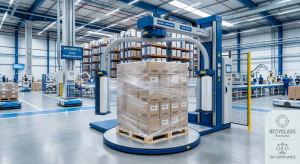
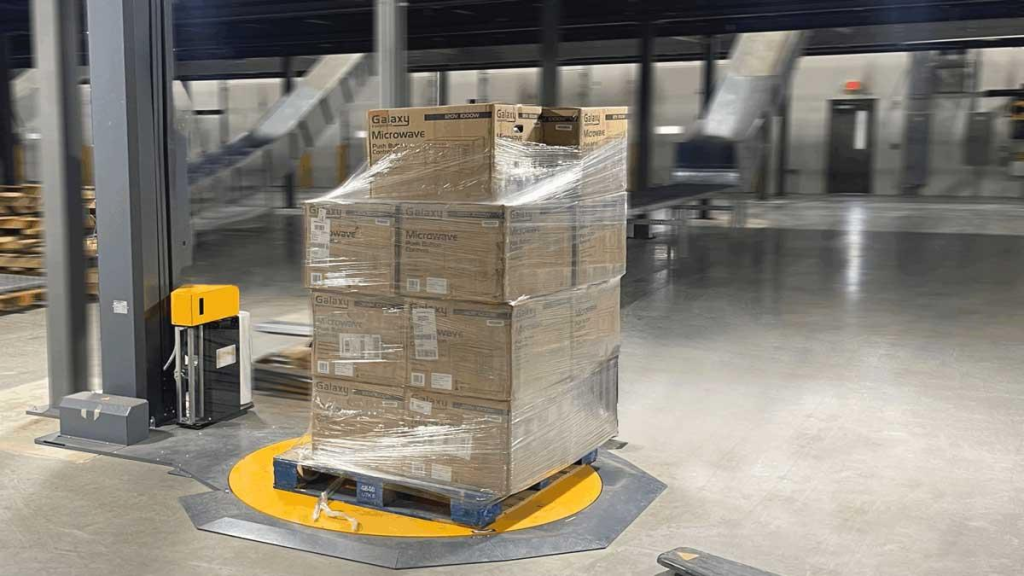
One of the major advantages of machine-applied stretch film is consistency.
Manual wrapping often varies from operator to operator, while properly configured stretch wrapping systems can provide:
- Repeatable wrapping patterns
- Consistent film tension
- Predictable load containment
- Reduced material waste
Consistency helps companies standardize packaging quality across shifts, facilities, and distribution networks.
Why Film Performance Alone Is Not Enough
Many load containment problems are incorrectly blamed on stretch film quality.
In practice, issues often originate from:
- Incorrect pre-stretch settings
- Excessive film tension
- Insufficient film tension
- Poor wrap patterns
- Inadequate top or bottom wraps
- Unstable pallet stacking
For this reason, leading logistics and packaging professionals evaluate load security as a system rather than focusing solely on film specifications.
When troubleshooting transportation damage, companies should examine:
- Film performance
- Wrapping equipment settings
- Load characteristics
- Pallet quality
- Transportation conditions
Only then can the true root cause be identified.
How to Reduce Total Packaging Costs
Reducing packaging costs does not necessarily mean buying the lowest-priced stretch film.
Instead, consider the total cost of ownership:
Lower Film Consumption
High-performance machine stretch film may achieve required containment force using less material.
Fewer Film Breaks
Reliable film performance can reduce downtime and operator intervention.
Reduced Product Damage
Improved load stability lowers transportation-related losses.
Better Operational Efficiency
Consistent machine wrapping improves throughput and packaging quality.
Stronger Customer Satisfaction
Products arrive in better condition, helping protect customer relationships and brand reputation.
The Future of Stretch Film Selection
As supply chains become more complex and transportation costs continue to rise, companies are increasingly evaluating packaging through a broader lens.
Instead of comparing stretch films only by:
- Price per roll
- Price per kilogram
- Price per pallet wrapped
Many organizations now focus on:
- Load containment performance
- Transportation safety
- Operational efficiency
- Sustainability goals
- Total logistics cost
This shift changes stretch film from a commodity purchase into a strategic packaging decision.
Conclusion
Machine stretch film may represent only a small fraction of overall logistics spending, but it plays a critical role in protecting products throughout the supply chain.
The true value of stretch film is not measured by the cost of a roll. It is measured by its ability to help maintain load stability, reduce transportation damage, and support efficient warehouse operations.
For the best results, companies should evaluate machine stretch film as part of a complete load containment system—where film performance, wrapping equipment, and application practices work together to deliver safe and reliable palletized shipments.