How U.S. Extended Producer Responsibility (EPR) Is Changing Customer Requirements for Stretch Film, PE Film, and Flexible Packaging?
The United States is entering a new phase of packaging sustainability.
As more states introduce Extended Producer Responsibility (EPR) legislation, flexible packaging manufacturers around the world—including suppliers of stretch film, PE film, food wrap, and other plastic films—are beginning to receive new questions from North American customers.
Many buyers are no longer asking only about price and lead time.
Instead, they increasingly want to know:
- Can this film be recycled?
- Does it contain PCR content?
- Can you provide sustainability documentation?
- Will this packaging support our future EPR compliance?
If your company exports flexible packaging to the United States, understanding these trends is becoming just as important as understanding resin prices.
What Is Extended Producer Responsibility (EPR)?
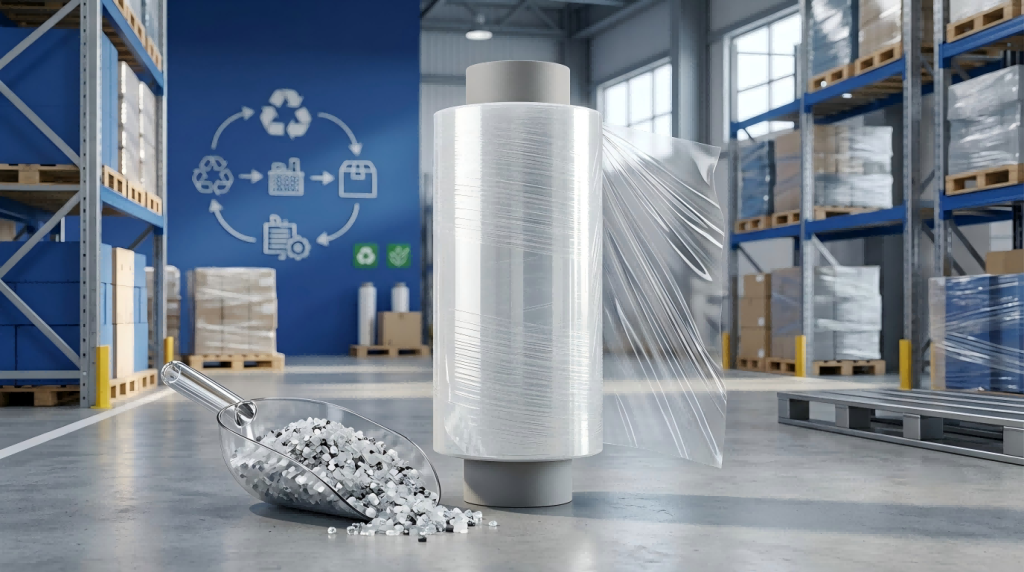
Extended Producer Responsibility (EPR) is a policy framework that shifts part of the financial and operational responsibility for packaging waste from governments to producers.
Depending on the state, producers may need to:
- Register with Producer Responsibility Organizations (PROs)
- Report packaging materials placed on the market
- Pay EPR fees
- Improve packaging recyclability
- Increase recycled content where appropriate
For packaging buyers, this often means selecting suppliers that can support long-term compliance—not simply the lowest-cost products.
Why California Is Receiving So Much Attention
Among U.S. states implementing EPR programs, California currently has one of the most ambitious recycling roadmaps for flexible packaging.
According to industry analysis published by the Flexible Packaging Association (FPA), California’s targets require plastic film and flexible packaging to achieve a 30% recycling rate by January 1, 2028, increasing to 65% by 2032.
These goals are intended to accelerate investment in recycling infrastructure and encourage packaging designs that are easier to recover and recycle.
However, it’s important to understand one key point:
California’s requirements should not be interpreted as nationwide U.S. standards.
Each state is developing its own EPR program with different timelines, reporting requirements, and covered materials.
How Will This Affect Flexible Packaging Buyers?
Even before regulations fully take effect, many North American companies are already preparing their supply chains.
As a result, overseas suppliers may notice changes in RFQs and purchasing requirements.
Customers may increasingly request:
- PCR (Post-Consumer Recycled) content percentages
- Recyclable PE mono-material structures
- Material composition declarations
- PFAS compliance documentation
- Heavy metal testing reports
- Sustainability certifications
- Packaging recyclability information
- Supply chain traceability
These requests are becoming common not because every product is legally required today, but because buyers want to reduce future compliance risks.
What Products Could Be Most Affected?
Several flexible packaging products are likely to receive greater sustainability scrutiny over the coming years.
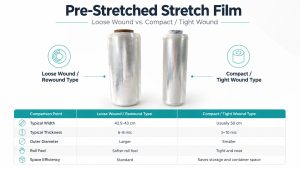
Stretch Film
Industrial stretch film remains widely recyclable in PE film collection systems where infrastructure exists.
Customers may increasingly request:
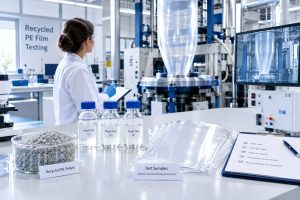
- PCR stretch film
- Reduced virgin resin usage
- Recyclability documentation
- Carbon footprint information
PE Film
PE films used for industrial packaging, liners, pallet covers, and protective applications may face increasing requests for:
- Recyclable material design
- Material declarations
- Environmental compliance documentation
Food Wrap
Although food-contact regulations involve additional considerations, buyers may still request sustainability information regarding recyclability, material selection, and future packaging strategies.
Biodegradable Stretch Film
Some buyers ask whether biodegradable films can replace recyclable PE films.
The answer depends on the application.
In many industrial packaging scenarios, recyclable PE solutions and PCR-containing stretch films may better align with existing recycling systems, while biodegradable materials may serve specific applications where compostable solutions are appropriate.
Selecting the right material requires evaluating customer requirements, local regulations, and end-of-life infrastructure.
Why PCR Film Is Becoming More Important
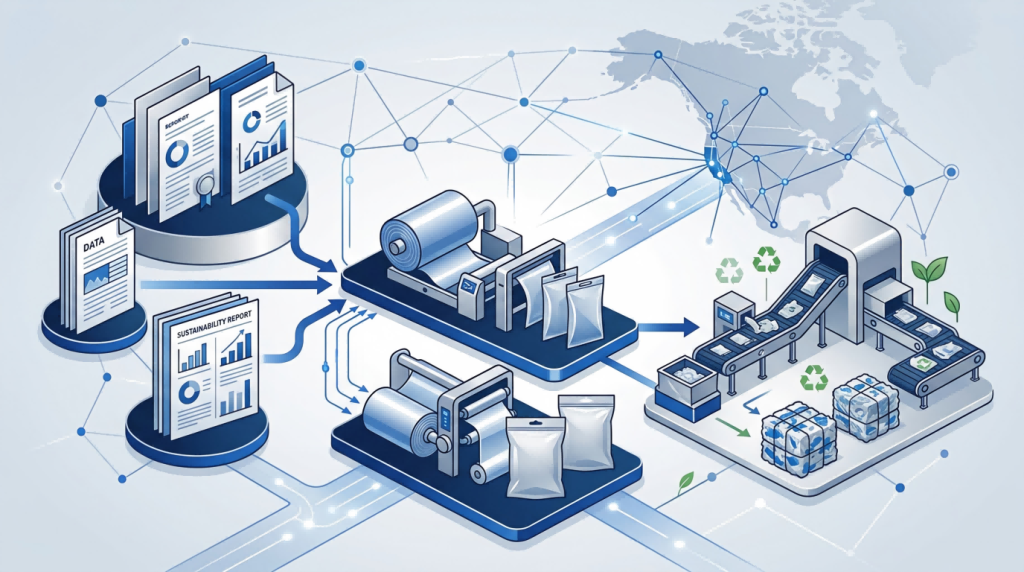
Post-Consumer Recycled (PCR) content is becoming one of the most discussed topics in the packaging industry.
While EPR regulations do not automatically require every flexible package to contain PCR material, many brand owners are voluntarily increasing recycled content to support sustainability goals.
PCR stretch film can help companies:
- Reduce virgin plastic consumption
- Support corporate ESG objectives
- Prepare for evolving customer expectations
- Demonstrate environmental commitment
The market trend suggests that PCR content will become an increasingly important purchasing criterion across North America.
How Can Flexible Packaging Suppliers Prepare?
Exporters do not need to wait until customers demand new documentation.
Preparing early can improve competitiveness and shorten sales cycles.
Recommended actions include:
Develop recyclable PE packaging solutions
Design products that fit existing recycling systems whenever possible.
Expand PCR product offerings
Offer multiple PCR content options based on customer performance requirements.
Prepare compliance documentation
Maintain updated files such as:
- PFAS test reports
- Heavy metal testing
- Material declarations
- Technical Data Sheets (TDS)
- Safety Data Sheets (SDS)
Train sales teams
Sales representatives should be able to explain:
- PCR content
- Recyclability
- Material structures
- Regulatory differences among U.S. states
Providing confident technical answers often builds more trust than simply offering lower prices.
Frequently Asked Questions
Does California’s recycling target apply across the entire United States?
No.
California has its own EPR framework and recycling targets. Other U.S. states are implementing EPR programs under different legislation, timelines, and reporting requirements. Exporters should avoid assuming that California’s requirements automatically apply nationwide.
Will buyers start asking for PCR content?
Increasingly, yes.
Many North American brands are already incorporating recycled-content targets into their sustainability strategies, even before regulations require them.
Is recyclable PE film still important?
Absolutely.
Improving recyclability remains one of the primary strategies for supporting circular packaging systems and future EPR objectives.
Should suppliers prepare documentation now?
Yes.
Having sustainability documents readily available can speed customer approvals and demonstrate that your company is prepared for evolving market expectations.
Looking Ahead
U.S. EPR legislation is still evolving, and requirements will continue to vary from state to state. However, one trend is becoming increasingly clear:
North American buyers are placing greater emphasis on recyclability, recycled content, and supply chain transparency.
For flexible packaging manufacturers, preparing today with recyclable designs, PCR product options, and comprehensive compliance documentation can help meet customer expectations while strengthening long-term competitiveness in the U.S. market.